Why Music Makes us Feel Better

Music has been a therapy for me since I can remember. I used to turn the radio on whenever I was upset, sad, or depressed, and it would help calm me down and bring me to center. Sometimes I would sing along and other times I would just let it wash over me. I listened to all types of music and still do because all music to me is art worth observing. But what I didn't understand when I was young is that there's a reason music makes us feel better — and it's not just emotional. It's physical. It's happening inside your body whether you know it or not.
I always thought it was just me. That music was my personal coping mechanism, my private escape when the world got too heavy. But it turns out that what I was doing instinctively as a kid — reaching for the radio when everything hurt — is something that scientists at some of the most respected medical institutions in the world have been studying for decades. And what they've found is that music doesn't just change how you feel. It changes how your body functions.
Your Body on Music
When you listen to music, your brain doesn't just process sound. It lights up almost everywhere. A neurologic music therapist at Harvard's Spaulding Rehabilitation Hospital put it simply: no other stimulus on earth engages our brains as widely as music does. Not visual art. Not conversation. Not exercise. Music activates regions tied to movement, language, attention, memory, and emotion — all at once.
That's why a song can make you cry, make you dance, make you remember something from twenty years ago, and make you feel less pain all in the span of three minutes. Your brain is doing all of those things simultaneously because music demands it.
The Stress Hormone Connection
Music actually lowers your cortisol levels. Cortisol is the stress hormone — it's what floods your body when you're anxious, afraid, or overwhelmed. When cortisol stays elevated for too long, it wears your body down. It affects your immune system, your sleep, your digestion, everything.
A 2025 review published in JMIR Mental Health looked at multiple studies and found that music — particularly music you choose yourself — reduces cortisol along with heart rate and blood pressure. The key phrase there is "music you choose yourself." The research suggests that music works best when it's personal. When it's the song that means something to YOU, not a generic playlist someone else assembled. That little girl reaching for the radio and picking the station that felt right was already doing what the science now confirms works best.
The Reward System — Why Music Feels So Good
Music also triggers your brain's reward system — the same pathway that responds to food, love, and other things that make life worth living. It's called the mesolimbic dopaminergic pathway, but you don't need to remember that. Just know that when a song gives you chills, when a chorus hits and your whole body responds, that's dopamine. That's your brain releasing the same chemical it releases when something genuinely good happens to you.
This is why music can lift your mood when nothing else can. It's not distraction. It's not denial. It's your brain receiving a chemical signal that says "this is good, this matters, keep going." For someone in pain, grieving, or struggling with depression, that signal can be the difference between sinking and staying afloat.
Heart, Blood Pressure, and Breathing
Music doesn't just work in your brain. It works in your chest. Studies have shown that listening to music can slow your heart rate, lower your blood pressure, and regulate your breathing. Your body literally syncs to the rhythm.
One study found significant reductions in pain, anxiety, and depression among heart surgery patients who were given just 30 minutes of music. Thirty minutes. Not a new medication. Not a procedure. Music. Played through a speaker in a hospital room.
Think about that. Thirty minutes of music produced measurable changes in pain, anxiety, and depression in people recovering from having their chest opened. If a pharmaceutical company could put that in a pill, it would be the bestselling drug on earth.
Neurorehabilitation — Rewiring the Brain
This is the one that hits close to home for our family. Research at Johns Hopkins' Center for Music and Medicine has shown that rhythm-based therapies can retrain motor function after stroke and help with movement disorders like Parkinson's disease. Music helps the brain rebuild pathways that were damaged.
Johns Hopkins All Children's Hospital has been running a music therapy program since 1993 with over 22,000 documented patient interactions. This isn't experimental. This isn't fringe. This is a major research hospital integrating music into how they treat children because the evidence is that strong.
For anyone living with a brain injury, a neurological condition, or a body that doesn't move the way it used to — music isn't just comfort. It's rehabilitation. The rhythm gives the brain a scaffold to rebuild on.
How We are Contributing to the Science
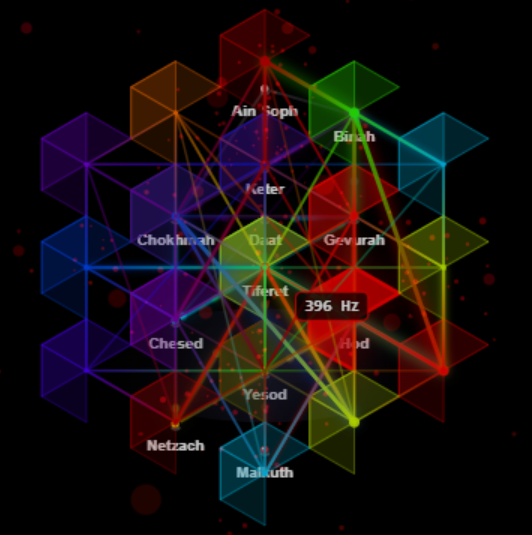
This is why we built Aetheria. Not because we think we invented something new, but because the science already proves that music heals — and we believe that the specific frequencies and structures within music matter. Harvard confirmed that music is medicine. Johns Hopkins proved that rhythm rewires the brain. What we're exploring is whether the architecture of the sound — the specific frequencies, the specific patterns, the specific relationships between tones — can make that medicine more precise.
We're not replacing what the research already established. We're building on it. And if a little girl in South Carolina already knew that the radio could save her on a bad day, imagine what intentionally designed healing frequencies might do for someone who needs it even more.
Turn the music on. Whatever music moves you. The science says your body already knows what to do with it.